Conservation
At ZooAmerica®, we believe it is our responsibility to protect, promote, and encourage the conservation of wildlife, natural resources, and habitats. We actively support conservation efforts through financial commitments and donations to the Conservation Grant Fund of the Association Of Zoos And Aquariums. We also work locally, involving ourselves in programs that benefit the species of our state, our country, our continent, and our world.
Check out some of the recent conservation programs we've established and implemented to help make this world a better place that will last for generations to come!
Species Survival Plan Programs and SAFE
ZooAmerica® participates in 11 Species Survival Plan® programs. The purpose of these SSP programs is to oversee the population management of select species within the Association of Zoos and Aquariums member institutions. Each SSP program is led by expert advisors to maintain a healthy, genetically diverse and demographically stable population for the long-term future.
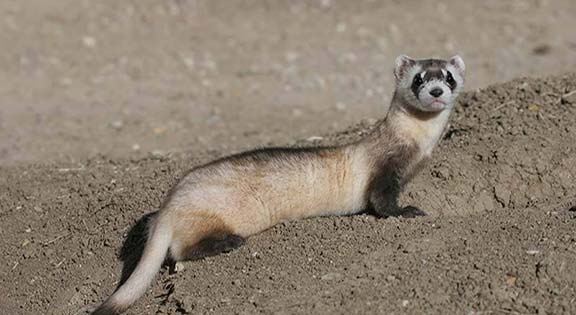
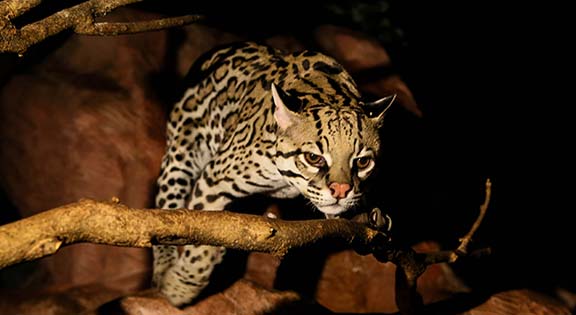
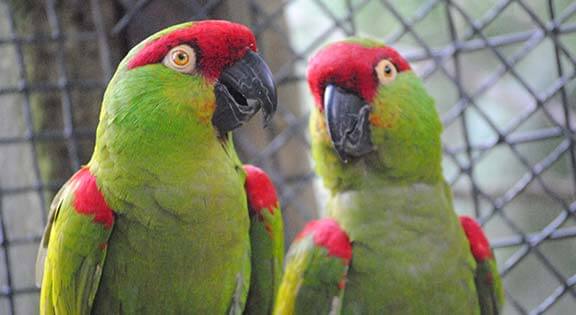
The SAFE (Saving Animals From Extinction) program coordinates the AZA-accredited zoo and aquarium community to save threatened animals around the world by protecting vulnerable species and their habitats. Strategic conservation efforts are focused on collaboration between AZA institutions for species specific recovery plans and engagement with their audiences to save species. ZooAmerica participates in the following SAFE programs: Black-Footed Ferret, Ocelot, North American Monarch, Thick-billed Parrot and North American Songbird.
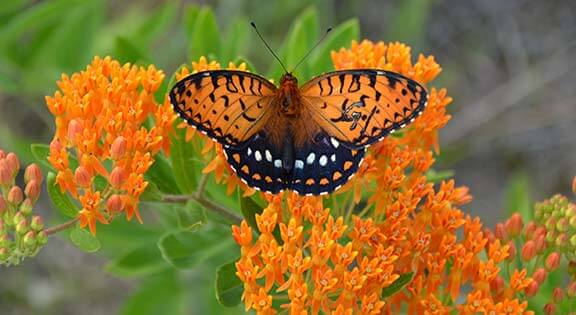
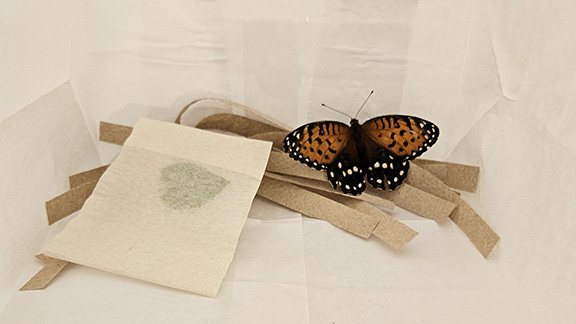
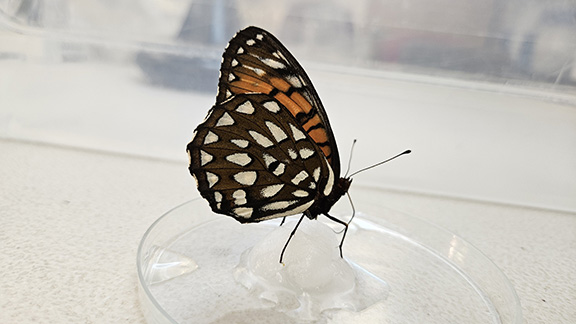
Regal Fritillary Butterfly
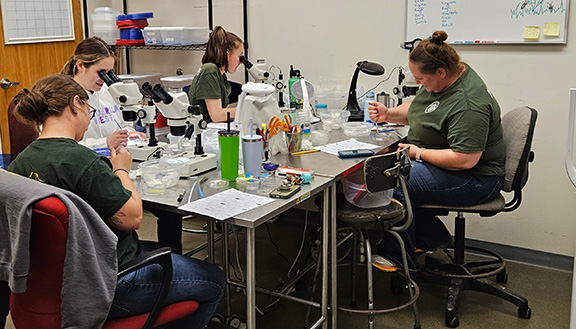
Since 2011, ZooAmerica has partnered with biologists at Fort Indiantown Gap to develop a captive rearing program for the eastern regal fritillary butterfly. The long term goal of this project is expanding the eastern regal’s current range through reintroduction efforts. The zoo is home to the regal butterfly rearing lab. Regal fritillaries are a grassland-endemic species of great conservation concern and have a proposed listing as endangered under the US Fish and Wildlife Service’s Endangered Species Act. They have disappeared from their entire historic range east of Indiana, except for a single population found at Fort Indiantown Gap (FIG). The active military regime at FIG combined with purposeful land management by the conservation staff, provides the needed disturbance for the early-successional grassland habitat.
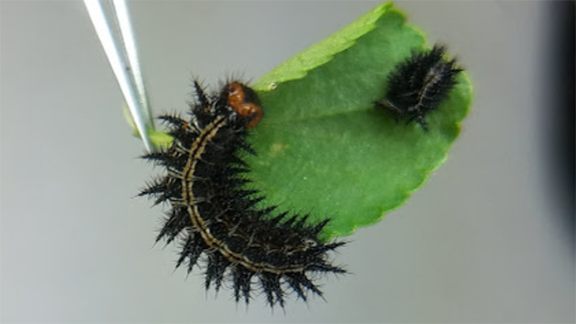
Each year in early August, FIG biologists collect a small number of female regal fritillary butterflies from the military ranges and bring them to ZooAmerica. These females serve as a source of eggs for the butterfly-rearing project. A single female can lay over 2,000 eggs. The newly hatched caterpillars consume their own eggshells before going into a winter diapause or hibernation for the fall and winter. At ZooAmerica, we overwinter the hatchling caterpillars in environmental chambers. In early spring, the caterpillars awake from hibernation, grow rapidly on a diet of violet leaves, molt through 6 instars or caterpillar stages, pupate (form a chrysalis) and emerge as adult butterflies. Adult Regal Fritillaries emerge from their chrysalides in mid-June through mid-July.
Partners of ZooAmerica on the Eastern regal fritillary butterfly project include: FIG/Department of Military and Veterans Affairs (DMVA), Pennsylvania Game Commission (PGC), Temple University, United States Fish and Wildlife Service (USFWS), Pennsylvania Western University, Penn State Dubois, and Franklin & Marshall College.
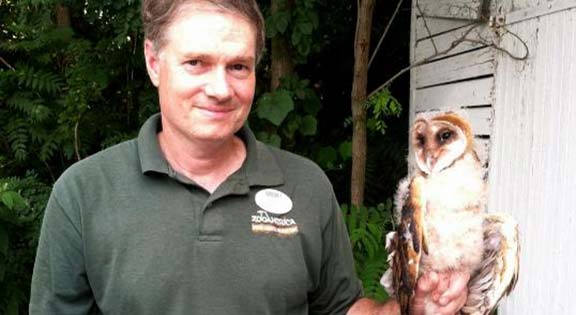
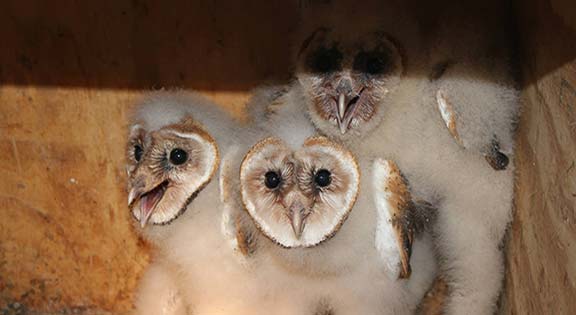
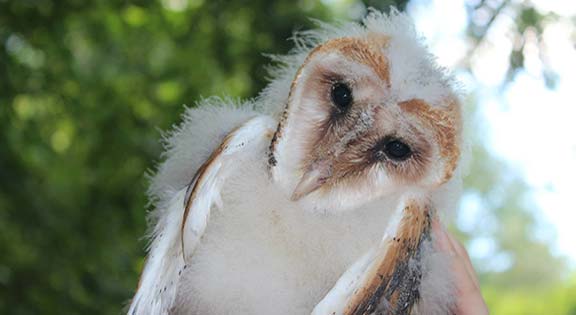
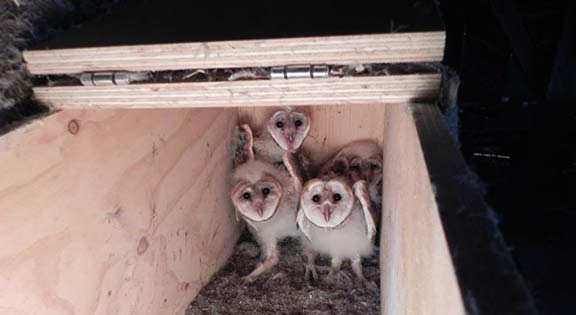
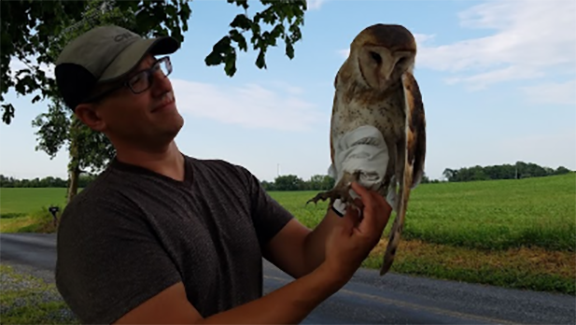
Partnering For Barn Owls Project
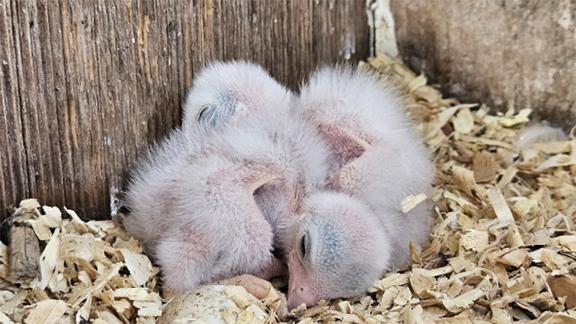
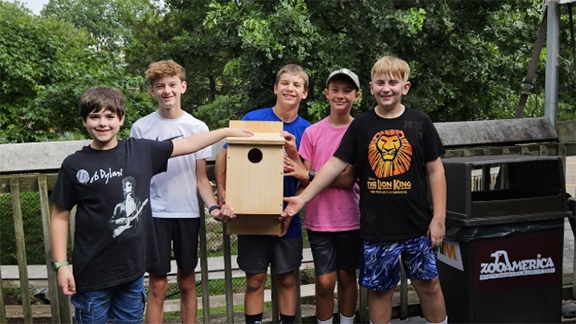
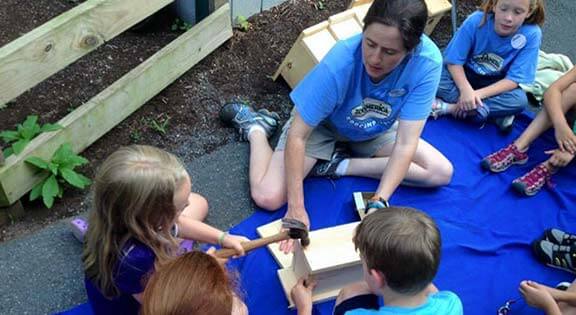
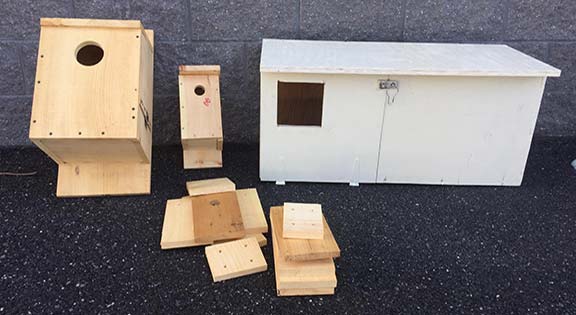
ZooAmerica has been placing barn owl nest boxes in a number of local barns since 2012, including many on Milton Hershey School property. The nest boxes are built by our summer zoo campers. Barn owl chicks from the nest boxes are banded by Nate McKelvie, a federally certified bird bander, and the data is sent to the Pennsylvania Game Commission as a part of their ongoing study of this vulnerable species. Pennsylvania's barn owl population has declined by nearly fifty percent since the 1980s. Habitat changes that include changing agricultural practices and development as well as the loss of suitable nest sites are thought to be the main factors in their decline. Each barn owl pair may require fifty to one hundred acres of grassland in order to find enough prey to feed their young. A barn owl family can consume nearly 3,000 rodents per year making this species a valuable means of natural rodent control.
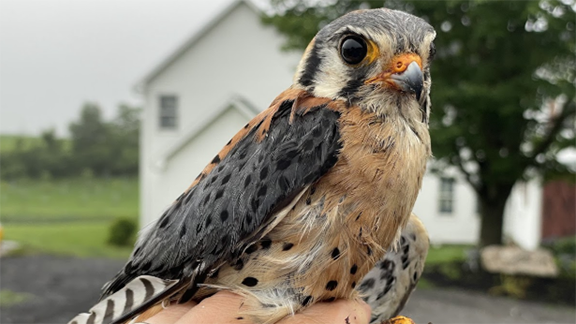
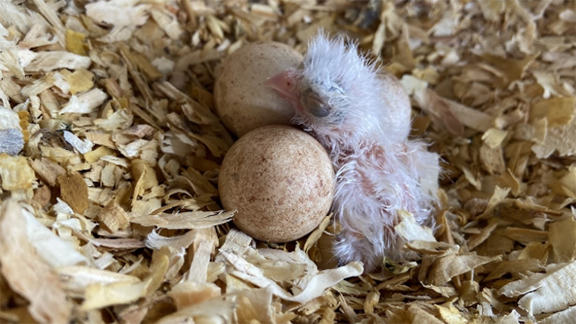
American Kestrels
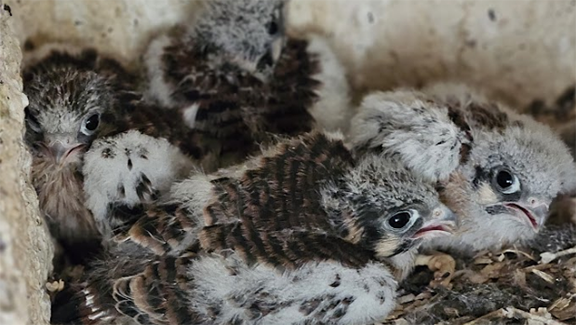
Once one of the most common and familiar falcons in North America, American kestrel populations have dropped by nearly 50% over the last 45 years. Although scientists are unsure about the reasons for the decline, some theories include a decrease in the amount of foraging habitat, less suitable nest sites, changes in farming practices, the loss of agricultural areas, and changes to traditional habitats. Populations may also be impacted because of competition from European starlings, predation by Cooper's hawks, pesticides, and climate change.
Kestrels do not build their own nests. Instead, 4-6 eggs are laid in abandoned woodpecker holes or natural tree cavities. The practice of removing dead trees limits nest sites for the birds. Fortunately, kestrels will use manmade nest boxes, and placing these boxes in open habitat or farmland is known to boost kestrel numbers. It also allows the population to expand into previously unused locations.
ZooAmerica staff and ZooCamp participants construct kestrel nest boxes that are placed on local properties including Milton Hershey School barns. The boxes are monitored for nesting activity, number of eggs laid, and the number of young that are successfully reared. The kestrels are banded by federally certified bird bander, Nate McKelvie, for identification and research purposes and the data is sent to USGS’s Bird Banding Lab. Information gathered from these nest sites will give us a better understanding of what may be causing declines in our local populations and throughout the northeast. Our combined efforts are contributing to the future of this small falcon while also teaching our campers about a local conservation project.
Prothonotary Warbler Nest Box Project
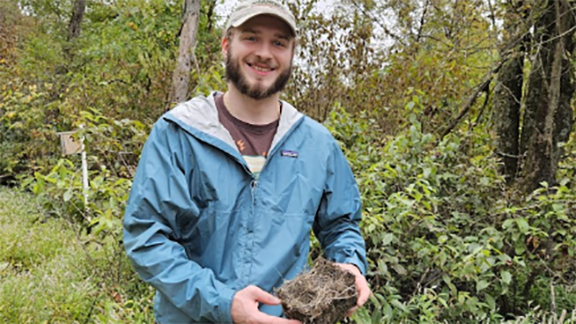
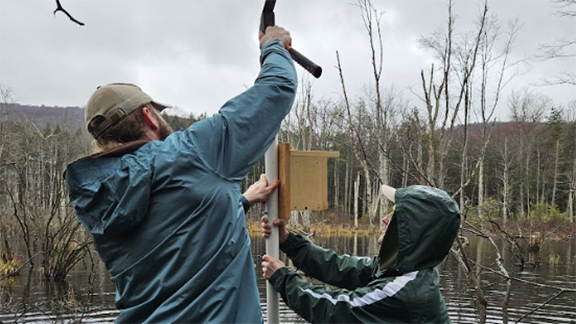
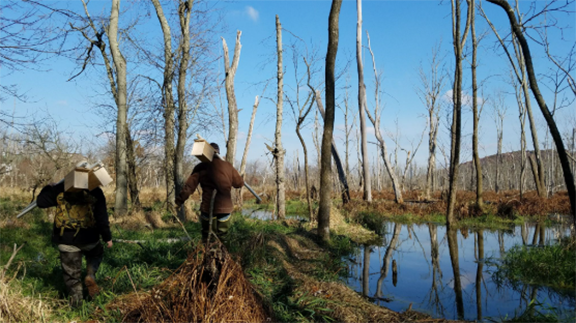
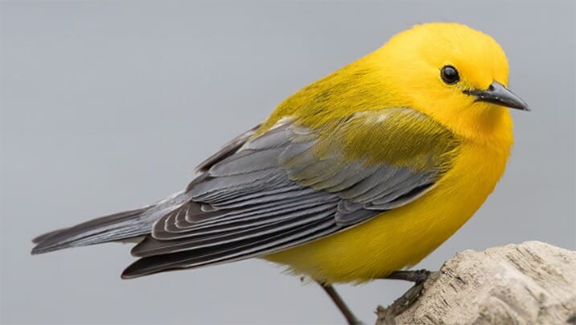
Prothonotary Warblers nest in tree cavities near rivers and swamps. Nest boxes – specifically designed for this species of warbler – are constructed by zoo staff and campers. The boxes are placed in wooded swamps that have been identified as appropriate habitat for this species. Warbler boxes placed on PA Game Lands in Cumberland county have been actively used due to the careful placement and monitoring by a local ornithologist and the conservation team. Prothonotary warblers are the only cavity nesting warbler in eastern North America. Pennsylvania is near the northern limit of their range, and they are fairly rare in our state.
Competition for tree cavities in suitable habitat is a limiting factor in their population. By placing nest boxes with a 1 1/8 inch hole, which will exclude many larger cavity nesters, we hope to help this species gain a foothold in new areas of the state.
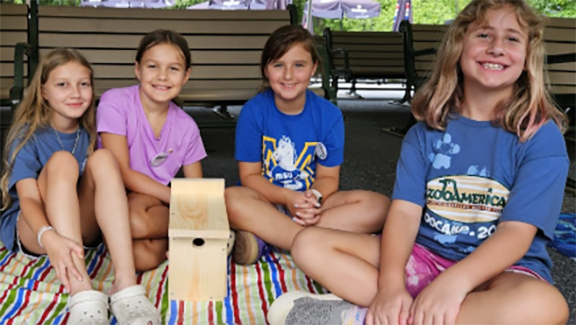
Bluebird Nest Box Project
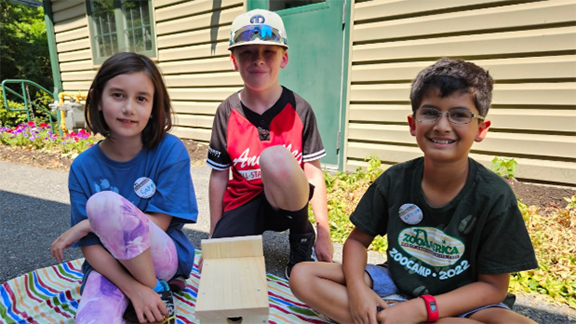
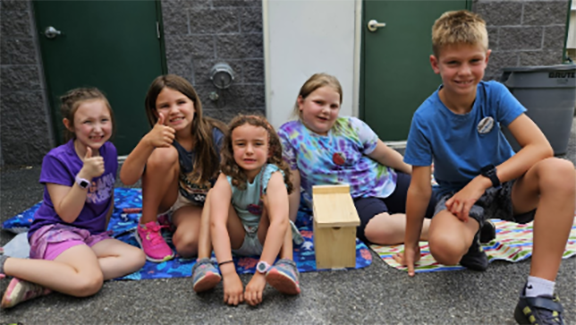
Campers and staff at ZooCamp construct the bluebird nest boxes, which are then placed throughout central PA as well as on zoo grounds. ZooCampers have participated in this community service project since 2005.
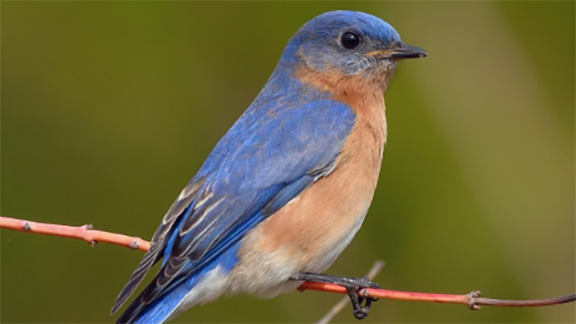
Eastern Bluebirds are cavity nesters, and thus are competing for a limited resource with other cavity nesting species. These include aggressive introduced species such as House Sparrows, and European Starlings. By placing and managing concentrations of nest boxes in suitable habitat, we can greatly increase the population of this iconic bird of open spaces.
Eastern Bluebirds eat mostly insects, wild fruit and berries and are an important predator of insect species that may damage crops and gardens. If you have an open habitat, you may also be able to host this magnificent bird by installing a bluebird box on your property.
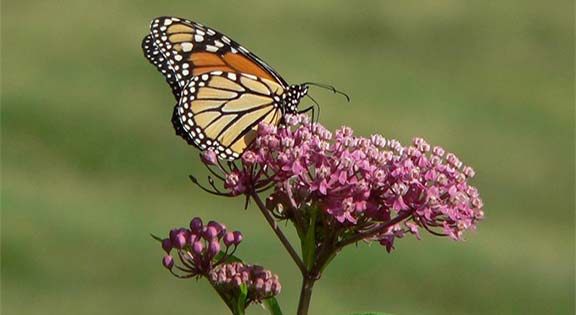
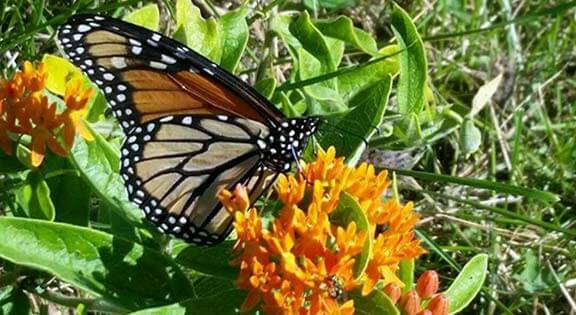
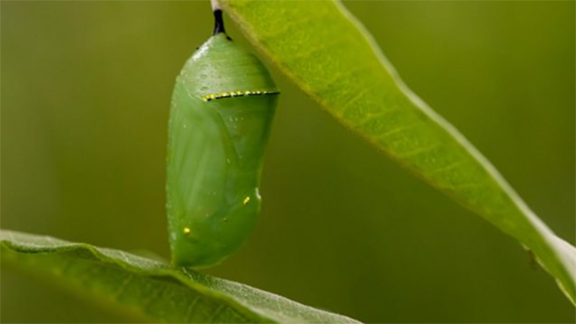
Pollinator Garden
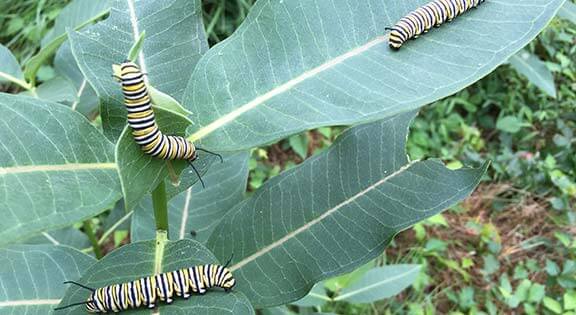
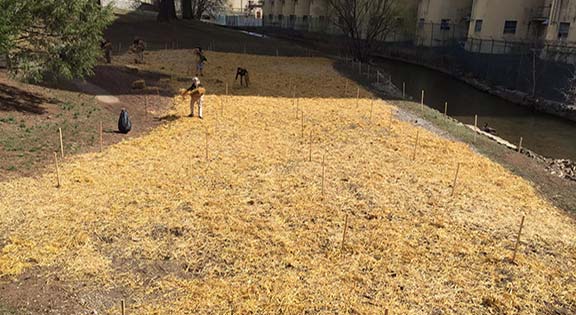
We are replanting a meadow of milkweed and other wildflowers to attract monarch butterflies and other pollinators to ZooAmerica. Monarchs have been declining drastically due to various factors, including habitat loss and damage to their overwintering grounds in Mexico. The simplest of these threats to address is the availability of milkweed, which is the host plant of monarch caterpillars. Even small patches of milkweed planted by homeowners can have a beneficial impact for this imperiled species.
Baltimore Checkerspot Butterfly Project
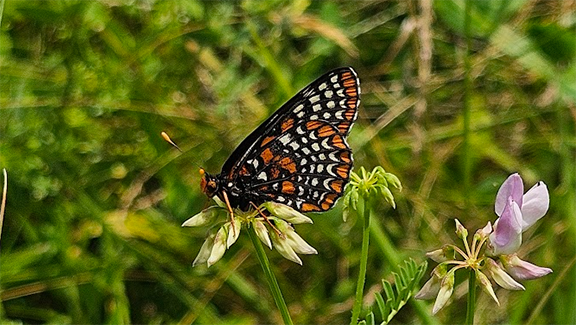
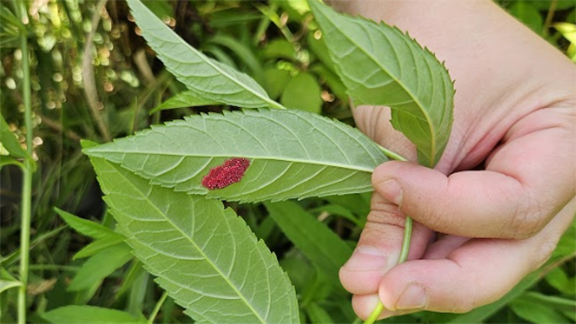
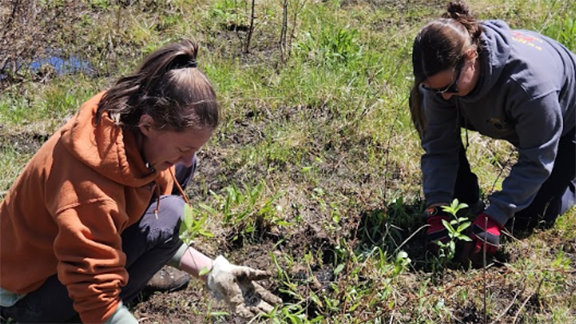
ZooAmerica has been surveying Baltimore checkerspot butterflies and their habitat at Middle Creek Wildlife Management Area (MCWMA) since spring 2023. The zoo has previously been involved in plantings of white turtlehead (Chelone glabra) at MCWMA in 2017 and 2021.
In coordination with the Pennsylvania Game Commission biologists/land managers and the biologists from Fort Indiantown Gap, a plan was developed to survey for adult Baltimore checkerspot butterflies, eggs, larvae, communal webbing and white turtlehead. The surveying techniques have varied with both meander surveys and point transect/distance sampling being used. Based on populations of checkerspots that have been seen, planting of white turtlehead will continue to enhance the checkerspot habitat across portions of MCWMA.
Allegheny Woodrat Project
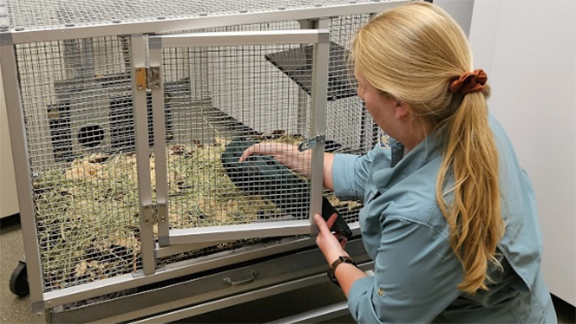
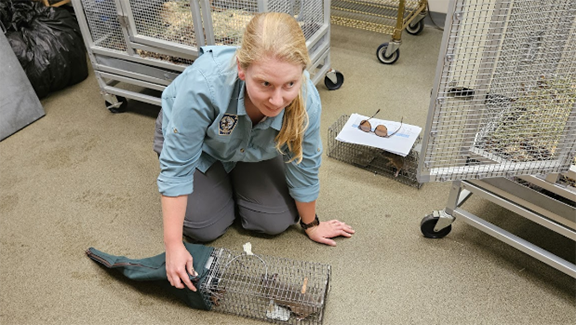
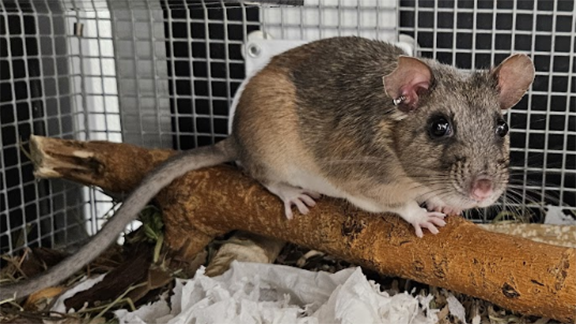
ZooAmerica began participation in a breeding and reintroduction program for the Allegheny woodrat in spring 2024. The Pennsylvania Game Commission provides both financial support and project direction for this woodrat project.
ZooAmerica houses 2 Allegheny Woodrats with the goal of breeding and then releasing juvenile pups to their natural wild habitat. ZooAmerica is also working with other members of the Woodrat Working Group, which includes multiple zoos (Maryland Zoo, Toledo Zoo, Greensboro Science Center, Elmwood Park Zoo) and biologists from various state agencies.
The ultimate goal for the Alleghany Woodrat Project at ZooAmerica is to have successful breeding, but the conservation team is also dedicated to improving husbandry techniques as well. The staff has focused on refining the diet, enhancing the behavior based enrichment and advancing the training of the individuals to give more opportunities to monitor the health and wellbeing of the woodrats. Collaboration with other AZA facilities currently housing Allegheny woodrats has significantly improved the project's effectiveness.
.jpg)
FrogWatch
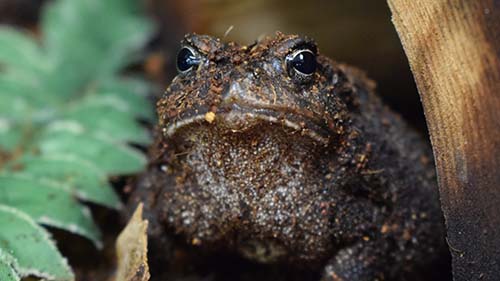
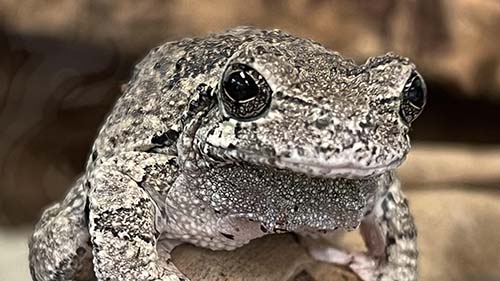
Since 2023, ZooAmerica has hosted its own FrogWatch USA chapter. FrogWatch is a citizen science program established in 1998 to provide individuals, groups, and families with opportunities to learn about wetlands in their communities by reporting on the calls of local frogs and toads.
Amphibian species are disappearing at an alarming rate due to a number of factors such as habitat loss, pollution, and disease. As a community scientist with FrogWatch USA, you can help save our frogs by collecting valuable data in your community!
ZooAmerica hosts an in-person information session every winter, and virtual presentations are available for anyone interested in becoming certified on their own time. Anyone interested in becoming a FrogWatcher is encouraged to reach out to Jacqui, chapter co-coordinator, at jatrabold@hersheypa.com for more information.