Meet Our Animals
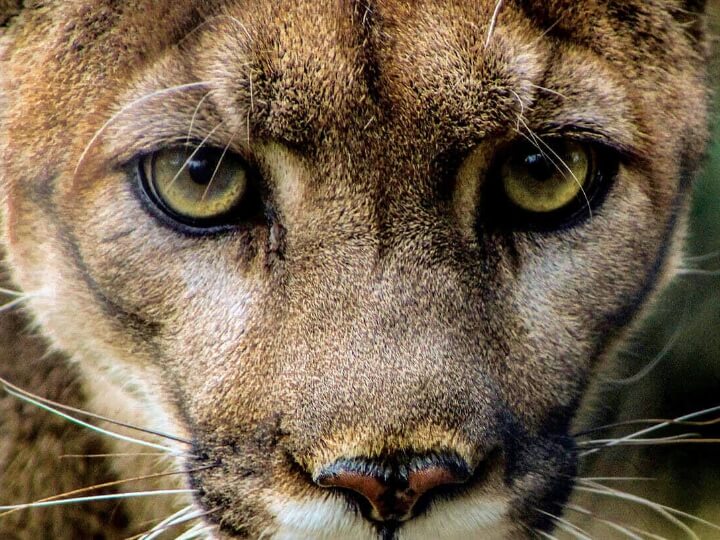
Experience awe-inspiring species from the animal kingdom at ZooAmerica®, representing 5 diverse regions of the North American continent. Discover unique zoo animals from the hot, dry deserts of the southwest and the wild, expansive tundra forests of the north. Learn more about these regions and the amazing diversity of North American animals and vegetation native to them in the Zoo.
Showing

Common Vampire Bat
This nocturnal, flying mammal feeds exclusively on the blood of other animals. To eat the blood, the vampire bat...
View Common Vampire Bat Details
Ocelot
Twice the size of an average house cat, the ocelot is a sleek animal with a gorgeous dappled coat. Shy and...
View Ocelot Details
Gray Wolf
Gray wolves are social animals, living together in tightly organized packs. Packs are typically family groups, and...
View Gray Wolf Details
White-tailed Deer
During the past century, logging and farming caused drastic changes in the forests. This created ideal habitat for...
View White-tailed Deer Details
Peregrine Falcon
With long, pointed wings, powerful flight muscles, and rapid wing beats, a peregrine falcon is a swift and agile...
View Peregrine Falcon Details
American Marten
American martens are small and agile members of the weasel family. With their sharp and semi-retractable claws,...
View American Marten Details


